


Okay, so check this out—I’ve been living in the Solana ecosystem for years now. Wow! The speed and low fees feel like a breath of fresh air after Ethereum gas spikes. My instinct said “this will be smooth”, and mostly it was. Initially I thought browser wallets would be trivial to set up, but then reality bit back with lost seeds and sketchy dapps. Actually, wait—let me rephrase that: the tech is slick, though the human side makes it messy.
Here’s the thing. Wallet browser extensions promise convenience. Seriously? Yes. You click, connect, sign, done. But convenience has a cost. On one hand, extensions store keys locally which is great for latency. On the other hand, that local storage becomes the weakest link if your machine gets compromised. My gut feeling about wallets is cautious optimism. Hmm… that mix of excitement and nagging doubt keeps me paying attention.
In the trenches, I learned three truths fast. One: never trust a random download. Two: UX matters more than most engineers admit. Three: backups are boring but essential. I still find myself repeating these points to friends—some ignore them, some listen. (Oh, and by the way… the “backup once and forget” approach is a lie.)
How browser wallet extensions work—fast, in plain words
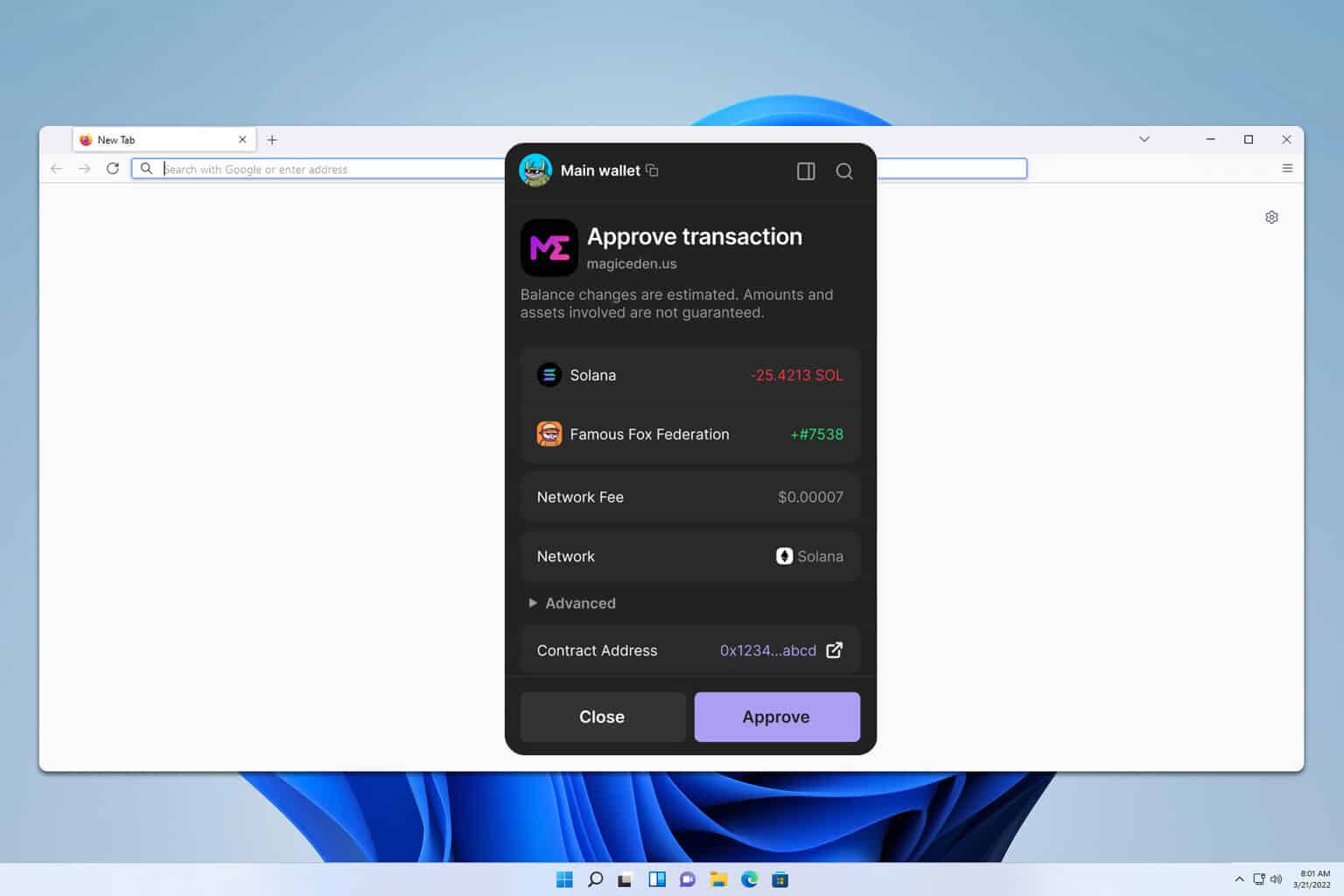
Think of a browser extension wallet as a little gatekeeper living in your browser. It holds your private keys and signs transactions when you ask it to. Short sentence. It intercepts requests from websites and decides whether to allow them. Most of the time it’s silent, but when you approve a dapp you’ll see a popup asking for permission. On some occasions, that popup becomes your friend—especially during NFT drops or fast DeFi arbitrage.
Initially I thought browser wallets were all the same, though actually there’s significant nuance among them. Some emphasize UX and design, while others prioritize strict security primitives. In practice, you end up juggling convenience and protection—your choices reveal what you value more. I’m biased, but I prefer a wallet that makes mistakes hard, not one that assumes I’m perfect.
Security: realistic steps that actually help
Stop me if you’ve heard this: “just keep your seed safe.” Great. Done. But it’s not quite that simple. Seeds printed on paper can fade. Seeds stored on a smartphone can leak. Seriously? Yes. So here’s a checklist I actually use and recommend:
- Use a hardware wallet for big balances. Small balances in extension for daily use.
- Verify extension origin in the Chrome/Firefox store and check the publisher details carefully.
- Keep the extension updated—developers patch vulnerabilities.
- Use a unique, offline backup for your seed phrase. Multiple copies in separate physical locations.
- Enable any available passphrase / hidden wallet features for extra safety.
My rule of thumb: if a dapp asks for recurring permissions, treat it like a subscription. Why give long-term access to something you only need once? Revoke permissions often. The browser and wallet ecosystems now let you audit authorized sites—use that feature. It gets tedious, but it’s worth the peace of mind.
Choosing the right Solana browser wallet
There isn’t a single best choice. There are trade-offs. Some wallets focus on frictionless onboarding—great for onboarding newbies at a coffee shop demo. Others are designed with power users in mind, exposing granular settings and more advanced features. Pick based on what you do most.
For example, if you’re active in DeFi and interacting with multiple programs daily, you want a wallet that supports fine-grained transaction inspection and quick approvals. If you mostly hold NFTs, a clear visual UI for assets matters more. I tend to bounce between wallets depending on the task—because somethin’ about specialization beats one-size-fits-all.
Where to get the extension safely
When I recommend a place to download a Solana wallet extension, I nudge people toward trusted sources and verified store listings. A convenient, trustworthy landing page I often point friends to is here: https://sites.google.com/cryptowalletextensionus.com/phantomwalletdownloadextension/ It’s simple, but double-check the publisher name and reviews in the browser store before installing. Seriously—do that. Double-checking saves headaches later.
On one hand, installing from a central store (Chrome Web Store, Firefox Add-ons) reduces risk. On the other hand, bad actors sometimes spoof names or create lookalike listings—though actually the major stores have better vetting than they used to. Stay alert. Use the store’s “developer” page to confirm the official publisher. Also, look at the extension’s permission list before you accept it—if something demands access that seems unnecessary, that’s a red flag.
UX friction and how it hurts security
Bad UX causes mistakes. Really. If the UI doesn’t clearly show which account is signing, users approve things they didn’t mean to. My experience: the wallet UI that shows the program name, exact token amounts, and a clear “approve/deny” choice directly reduces accidental approvals. Little things matter—like a confirmation flow that doesn’t collapse under pressure during a busy drop.
Here’s another point: too many popups. When users see approval prompts constantly, they start clicking reflexively. That’s a human tendency, not a failure of character. Wallet designers should design to stop reflexive clicks. Put friction where it prevents harm, not where it just annoys.
Interacting with dapps—practical tips
When a dapp asks to connect, scan their reputation. Check social channels and recent GitHub activity if you’re unsure. Small dev teams can be trustworthy, but you want transparency. Ask: does the dapp explain why it needs that permission? If answers are vague, back away.
Also, limit approvals to single-use where possible. Many wallets allow you to choose which specific accounts or tokens to expose. Use that. It’s a bit more work, but it’s a big step toward defending funds. I’m not 100% sure every site supports fine-grained permissions yet, but the trend is clear: more granularity is coming.
FAQ
How do I safely recover if I lose my seed phrase?
Short answer: layered backups. Keep an offline copy in a secure physical location, consider a steel backup plate for fire resistance, and split the seed across multiple places if that helps your threat model. Really though, the recovery method depends on whether you’re protecting against theft, loss, or physical disaster.
Are browser extensions safe enough for big holdings?
Not usually. If you’re storing significant value, move it to a hardware wallet or a multi-sig setup. Browser extensions are great for day-to-day interactions but they’re not a full replacement for cold storage. My rule: hot for spending, cold for storing.
What should I do if I suspect a malicious transaction?
Disconnect the dapp immediately, revoke permissions, and if possible move funds to a secure wallet. Contact the wallet provider’s support and check community channels for alerts. Time matters here—act fast but don’t panic.
I’ll be honest: the ecosystem still feels a bit like the Wild West sometimes. There’s progress though—wallets and browsers are learning to be better neighbors. On the street level, simple behaviors like careful downloads, backups, and permission hygiene protect most users. I’m encouraged by developer focus on UX improvements, but this part bugs me—the tempo of change is uneven.
At the end of the day, wallets are tools. They amplify both competence and mistakes. If you treat them casually, expect casual results. If you treat them deliberately, you’ll get reliable outcomes. My advice: learn the basic security habits, use hardware for large sums, and keep a skeptical eye on every unexpected popup. That’s not glamorous. But it’s effective, and it keeps crypto from becoming a horror story.