


I remember the first time I held a hardware wallet, sweaty palms and all. It felt like holding a brick and a secret at the same time. Whoa! I’m not joking. That moment—equal parts excitement and terror—shaped how I approach backup strategy today because the stakes really are that high when your seed phrase is the only key between you and your crypto.
Seed phrases are deceptively simple. Twelve, eighteen, or twenty-four words strung together like a nursery rhyme, but with millions of dollars sometimes riding on them. Initially I thought a single paper copy was enough, but then I realized how fragile that assumption was after a near-miss. Hmm… So how do you actually protect them in a way that survives a fire, a divorce, a forgetful roommate, and the apocalypse?
Hardware wallets change the game because they keep private keys offline. They’re not foolproof, though—far from it. I’ll be honest, I’m biased, but I’ve used a few models and prefer ones with clear UX and strong recovery options.
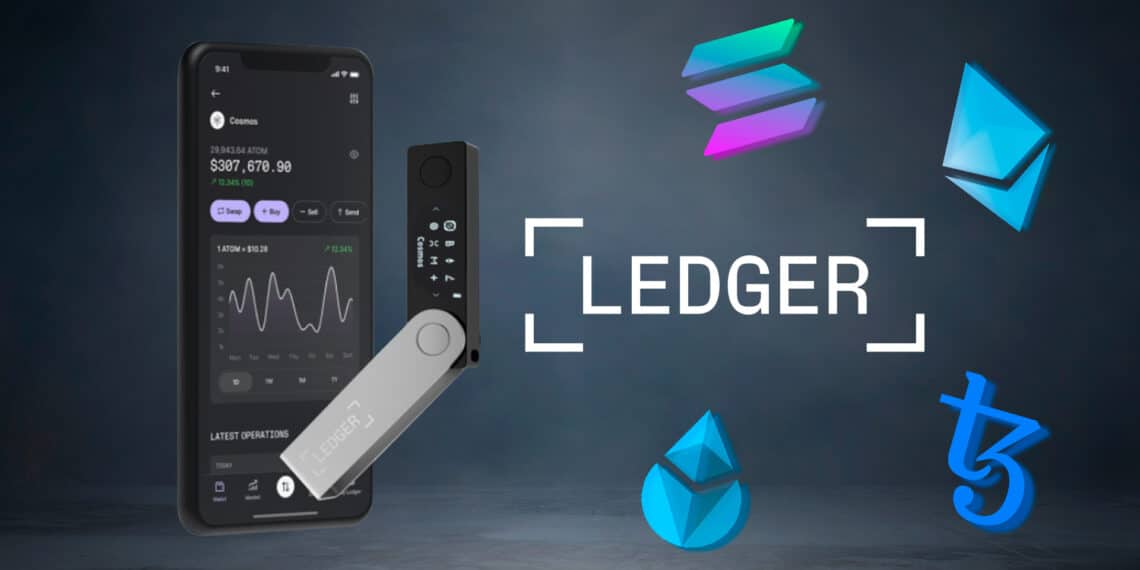
Hardware workflows and a practical link
Really? A lot of people underappreciate the companion software and recovery flow. A popular choice integrates well with desktop apps and live updates; check the companion app at ledger if you want a feel for the flow and security model.
Paper is fine for a quick copy, but paper rots, burns, and gets lost. Steel plates survive a lot more. On the other hand, advanced setups like Shamir backups or multi-sig add redundancy at the cost of complexity and sometimes fees. Whoa! For people who stake with hardware wallets you need to balance accessibility and safety—if your staking rewards depend on a single seed phrase, that phrase must be bulletproof, and your sign-in flow has to be reliable under pressure.
I once nearly lost access to a small validator because I stored a seed in a desk drawer and then moved apartments. Lesson learned. My instinct said to make copies, but actually, wait—let me rephrase that—my instinct said to trust myself, which was dumb. Seriously? So I rebuilt the key from another backup, switched to a geographically separated metal backup, and set up a multi-sig with a hardware wallet on each signer to reduce single points of failure.
If you want a pragmatic checklist, start with at least two independent backups stored in different secure locations; this is very very important. Don’t stash a copy in the cloud as a plain text file. Consider metal engraving or plates for your seed; they’re not glamorous but they outlive paper by decades. Hmm… Also, test your recovery periodically—set a schedule, and use a spare hardware device so you don’t risk your live stash while testing, because recovering under stress is never a good plan.
Don’t ignore secondary risks either; think family, legal access, and how to hand off keys if something happens to you. I’m not 100% sure of every legal wrinkle, but consult an estate attorney if you have sizable holdings. Here’s what bugs me about simple instructions—somethin’ about them feels shallow. They often skip the emotional side of it: fear, denial, procrastination, and then regret when it’s too late. Whoa!
On one hand, tech solutions like multi-sig and Shamir make loss less likely. On the other hand, they require discipline and sometimes trusted third parties. Initially I favored simplicity, though actually after digging in I realized layered redundancy wins for long-term holders. It’s messy. It’s human. And that messiness is why people forget to plan for the worst.
Okay, so check this out—if you’re staking, especially with any value on the line, treat backup planning like mission-critical ops. Split responsibilities across locations, document recovery steps in a secure way (not the seed itself), and rehearse handoffs. (oh, and by the way…) Keep emotions out of it when possible—fear leads to hiding, and hiding leads to loss.
FAQ
What’s the simplest upgrade from paper backups?
Move to a metal backup plate and keep at least two copies in separate secure locations, ideally with different risk profiles (e.g., one safe deposit box, one home safe). Add a multi-sig or Shamir scheme if you have greater assets or unique availability needs.